Rust kevlar vs BDU armor sets compared for duo survival
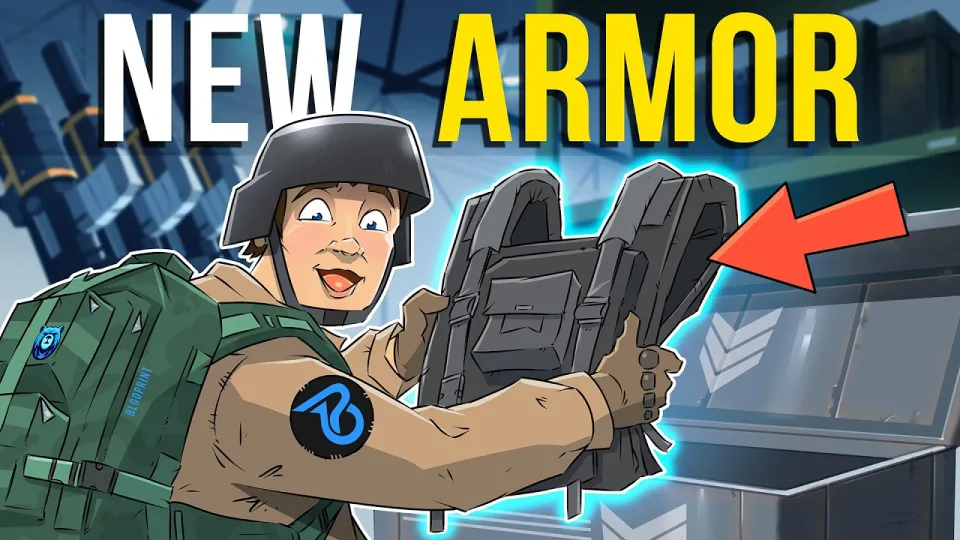
Video: This NEW RARE ARMOR SET is OP in Rust (Duo Survival)
You can order the same kind of articles for your own video to boost it on YouTube and Google. Just message the Telegram bot @sat_sit_bot. It writes articles around your video, embeds the video and publishes them on popular niche websites (no ads). Free trial — 50 articles.
· based on the channel Blooprint's Bunker
Key takeaways
- Rust's rare armor sets are the kevlar and BDU variants, and each one trades protection against mobility differently.
- Kevlar leans toward maximum damage resistance on the chest, while BDU spreads lighter protection across more slots.
- Duo survival rewards mobility and stamina more than a solo juggernaut build, because two players must reposition together.
- A full armor set is only worth its cost when it is paired with a tier-2 or tier-3 weapon and enough meds to survive a trade.
- Blooprint's Bunker covers duo survival runs with Ledoo, including online raid defense and snowball fights.
Rust armor is not a single best pick: for duo survival the lighter BDU set is usually the better all-round choice, while the rare kevlar set wins specific fights where raw damage resistance decides the trade. Kevlar turns one player into a slow juggernaut, and that only pays off when the second player can cover the gaps the armored teammate creates. Duo runs streamed by Blooprint with Ledoo's Twitch channel show exactly how that trade plays out in real fights, from snowball openers to online raid defense.
What the rare armor sets in Rust actually are
Rust's armor system splits into two families: heavy, high-resistance pieces and lighter, mobility-friendly pieces, and the kevlar and BDU sets sit at opposite ends of that scale. Kevlar-style gear stacks the strongest projectile protection on the torso and head, which is why players describe a full set as a juggernaut build. BDU-style gear gives up some of that raw resistance in exchange for weight and movement, so a player can still sprint, strafe and reposition in a fight.
The practical difference shows up in three numbers that matter more than the armor's own stats:
- Movement speed penalty — heavy chest and leg armor slows you enough that a second enemy can flank you.
- Effective health against rifles — the resistance percentage decides how many shots you survive, not how many the armor absorbs.
- Crafting and repair cost — a set you cannot replace after one death is a set you stop wearing.
Why a duo benefits more from mobility than from raw tankiness
A duo survives by trading aggro, and that requires both players to move at similar speeds. If one teammate wears a full kevlar set and the other runs light gear, the armored player becomes the anchor: they hold a doorway or a rock while the lighter player rotates. That works well in a base defense where the armored player never has to run, and it works badly in open snow or on a monument roof where the slow player gets isolated and focused.
BDU-style armor keeps both players on the same footing, which matters for three common duo situations:
- Snowball fights on the road, where you chase and disengage constantly.
- Online raid defense, where defenders need to move between doors, roofs and shooting windows.
- Counter-raids, where you arrive late and have to reposition under fire.
The rule of thumb from high-level duo play: wear the heaviest armor you can afford to lose, but never wear armor that makes you the slowest player in your own group.
How to decide which set to wear before a wipe night
Build the armor around the weapon and the fight, not around the item's rarity. A kevlar chest with a tier-1 weapon wastes the protection, because the fight ends before the resistance matters. A light set with a tier-3 rifle and a stack of meds wins more trades than a heavy set with a bow.
A simple decision order for a duo:
- Count your replacement sets. Two or more full sets means you can wear heavy gear without fear of losing progress.
- Check the objective. Base defense and door holding favor kevlar; roaming, monuments and snow favor BDU.
- Match weapons. Heavy armor plus a close-range shotgun is a breaching build; light armor plus a rifle is a roaming build.
- Carry meds proportional to your resistance. More armor means more time to heal behind cover, but only if you actually brought the syringes.
Armor also changes how enemies read you. A visible kevlar silhouette signals a geared player and invites groups to third-party the fight, while a lighter kit often gets underestimated until the first shots land.
Typical questions from viewers about armor and duo play
Viewers of duo survival content keep returning to the same doubts, and most of them come down to cost rather than stats. The first is whether a rare set is worth wearing at all when a single death hands it to the enemy — the answer is yes, but only if you have a second set in the base and the fight is one you chose. The second is whether grenades belong in a Rust kit; in close-quarters base fights they do, because a frag into a doorway forces movement and movement breaks defensive holds.
The third recurring question is about the partner. Duo content lives or dies on communication, and a teammate who calls rotations and holds angles is worth more than any armor tier. The fourth is about aim under pressure: viewers notice when a point-blank shot misses, and the fix is not better gear but repetition in aim-training servers and shorter, more deliberate fights.
Where to watch the full duo survival run
Blooprint's Bunker publishes the full duo survival sessions, including the armor experiments, the online raid defenses and the snowball openers that decide whether a wipe night goes well. The main partner in these runs streams his own perspective, and the two viewpoints together show how a duo splits roles when one player is armored and the other is mobile.
All the channels and socials referenced in the breakdown:
- https://www.twitch.tv/ledoo
- https://www.twitch.tv/blooprint
- https://kick.com/blooprint
- https://www.tiktok.com/@blooprintgames
- https://twitter.com/blooprintgames
The verdict on armor choice in duo survival
For most duo wipes the lighter BDU-style set is the better default, because two mobile players can trade, rotate and disengage, while a single juggernaut gets isolated. The rare kevlar set earns its place in base defense, doorway holds and any fight where you never need to sprint. The real upgrade is not the armor tier but the habit of matching gear to the objective and keeping a replacement set in the base. Blooprint's Bunker documents both approaches across full duo survival runs, and Ledoo's Twitch stream is where you can follow the partner's side of those fights live.
Source: This NEW RARE ARMOR SET is OP in Rust (Duo Survival) · Markdown version
Questions & answers
Is the rare kevlar armor set actually overpowered in Rust?
It is strong in a narrow role rather than universally overpowered. The chest and head resistance let a player survive rifle trades that would kill a light kit, but the movement penalty makes that player easy to isolate. In a duo, kevlar is best used by the player holding a fixed angle or a doorway while the partner moves.
Should a duo wear matching armor sets?
Matching mobility matters more than matching rarity. If one player is heavily armored and the other is light, the slow player becomes the anchor and the fast player does the rotations. That split works on defense but fails in open roaming, where both players need to chase and disengage at the same speed.
How many armor sets should I keep in the base before roaming?
Two full replacement sets is the practical minimum for a duo that wants to wear heavy gear without risking progress. With only one set, a single lost fight removes your protection for the rest of the wipe night, which usually costs more than the armor saved.
Do grenades deserve a slot in a duo kit?
Yes, especially in base fights and online raid defense. A frag into a doorway forces defenders to move, and movement creates the opening your partner needs. Grenades are cheap relative to armor and often decide close-quarters fights before the shooting starts.